November 2, 2026
Lab-grown diamonds have become an increasingly popular choice for engagement rings as consumers reconsider their priorities when purchasing fine jewelry. Affordability, ethical considerations, and environmental concerns have contributed to this shift, giving couples another way to find a diamond that reflects their preferences and values. Advances in production technology have made these stones more accessible, offering a range of sizes, cuts, and colors. Understanding how a lab grown diamond is made and what distinguishes it from mined stones can help shoppers make informed decisions.
Understanding Lab-Grown Diamonds
What Are Lab-Grown Diamonds?
Lab-grown diamonds are gemstones created in controlled laboratory environments using advanced technology. They have the same chemical composition, crystal structure, and physical properties as natural diamonds. Unlike simulants such as cubic zirconia or moissanite, these stones are genuine diamonds made from crystallized carbon. Their production replicates natural diamond formation, creating gemstones with comparable brilliance, hardness, and durability.
How Are Lab-Grown Diamonds Created?
Two primary methods produce lab-grown diamonds: high pressure and high temperature (HPHT) and chemical vapor deposition (CVD). The HPHT process exposes carbon to extreme temperatures and pressures that encourage crystal formation. CVD uses carbon-containing gases that break down inside a chamber and deposit carbon atoms onto a diamond seed in successive layers.
Both approaches allow manufacturers to control important characteristics during production. Improvements in these technologies have expanded the availability of different diamond sizes, colors, and qualities.
How Do They Compare With Natural Diamonds?
Natural diamonds develop beneath the Earth's surface over millions or billions of years, while laboratory-created stones can form within weeks. Despite their different origins, the two types have essentially identical physical and chemical properties. Specialized gemological equipment is generally needed to distinguish between them.
Price is another important difference. A lab grown diamond typically costs less than a comparable mined diamond, allowing shoppers to consider larger carat weights within their budgets.
Understanding Diamond Certification
Certification and grading reports provide valuable information about a diamond's characteristics. Organizations such as the Gemological Institute of America (GIA) and the International Gemological Institute (IGI) evaluate diamonds based on cut, color, clarity, and carat weight. Buyers should review grading documentation and confirm that the stone is identified as laboratory-grown or natural.
Exploring Environmental and Ethical Considerations
Reducing Dependence on Mining
Traditional diamond mining can affect ecosystems through land disturbance, habitat destruction, soil erosion, and resource consumption. Laboratory production offers an alternative that does not require extracting gemstones from the ground. For consumers concerned about mining's environmental effects, this difference can influence purchasing decisions.
Considering Production Sustainability
The environmental impact of laboratory production depends on manufacturing methods, facility operations, and energy sources. Some producers incorporate renewable electricity into their operations, while others rely on conventional energy supplies. Shoppers interested in sustainability may want to investigate how a particular manufacturer produces its diamonds rather than assuming every laboratory-created stone has the same environmental footprint.
Understanding Energy and Water Consumption
Creating diamonds in laboratories requires specialized equipment and substantial energy. The amount varies according to production technology and facility efficiency. Mining operations also consume energy and water through excavation, processing, and transportation. Comparing these impacts requires considering the complete production process.
Evaluating Ethical Sourcing
Concerns about conflict diamonds and labor conditions have influenced purchasing decisions throughout the jewelry industry. Laboratory-created stones avoid mining-related sourcing concerns associated with certain natural diamonds. Their production also involves different supply chains, although manufacturers still rely on workers, equipment, and raw materials.
Consumers who prioritize ethical purchasing can ask retailers about supplier transparency, manufacturing practices, and available documentation.
Comparing Costs and Market Trends
Understanding the Price Difference
Affordability is one of the biggest reasons couples consider a lab grown diamond for an engagement ring. Laboratory-created options generally have lower retail prices than natural diamonds with comparable characteristics. This difference gives shoppers more flexibility when deciding between carat weight, clarity, color, and cut.
Someone working with a particular budget might choose a larger center stone or allocate more spending toward a detailed setting. The lower purchase price can make different design possibilities accessible.
Evaluating Long-Term Value
Although laboratory-created diamonds offer attractive purchase prices, buyers should understand the distinction between affordability and investment potential. Their resale values can be limited as production technology advances and retail prices change. Natural diamonds also have variable resale markets, so neither option should automatically be viewed as a guaranteed financial investment.
Recognizing Changes in Consumer Demand
Consumer interest in laboratory-created diamonds has grown substantially as shoppers become more familiar with their characteristics and pricing. According to The Knot's Real Weddings Study, lab-grown diamonds accounted for 61% of engagement ring center stones, representing a 239% increase since 2020. This shift demonstrates how quickly preferences have changed within the engagement ring market.
Greater awareness of pricing, production methods, and available styles has helped these stones become a mainstream jewelry option. Retailers have responded by expanding their selections.
Exploring Appearance and Design Options
Comparing Appearance and Brilliance
Laboratory-created and natural diamonds share the optical characteristics that give diamonds their recognizable sparkle. Both can display brilliance, fire, and scintillation when properly cut. Their visual similarities make origin difficult to determine through ordinary observation, allowing shoppers to focus on appearance and personal preferences.
Selecting Colors and Cuts
Diamond shoppers can explore numerous shapes, including round, oval, princess, emerald, pear, and cushion cuts. Each creates a different visual effect and can influence how large a stone appears. Color options also vary, giving buyers opportunities to select traditional white diamonds or more distinctive hues.
Cut quality deserves particular attention because it influences how effectively a diamond reflects light. Comparing stones in person can help shoppers understand differences in sparkle and appearance.
Considering Durability and Everyday Wear
With a hardness rating of 10 on the Mohs scale, diamonds are among the hardest naturally occurring materials. A lab grown diamond shares this characteristic, making it suitable for engagement rings and frequently worn jewelry. However, hardness does not mean a diamond is impossible to damage. Certain impacts can cause chips or fractures, particularly around exposed edges and corners.
Personalizing an Engagement Ring
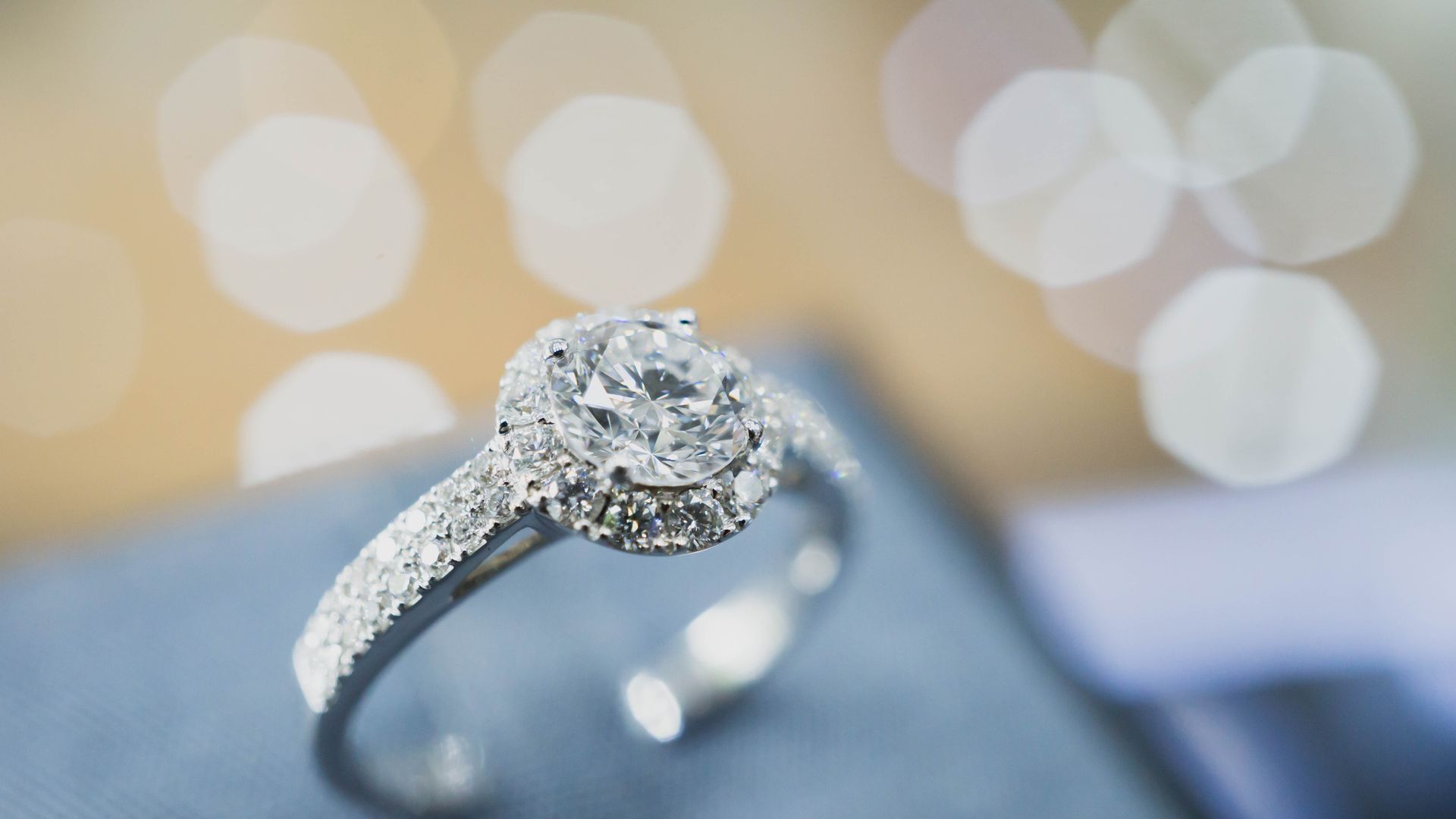
Customization gives couples an opportunity to create jewelry that reflects their individual styles. Center stone shapes, metal types, band designs, and accent stones influence the finished appearance. Some shoppers prefer simple solitaire settings, while others gravitate toward halo designs, pavé bands, or vintage-inspired details.
A lab grown diamond can be incorporated into many traditional and contemporary settings. Exploring different combinations allows couples to balance appearance, comfort, and budget.
Understanding the Future of Diamond Jewelry
Recognizing Retailer Adaptation
Jewelry retailers have expanded their selections in response to growing interest in laboratory-created gemstones. Dedicated collections, educational resources, and customization options make it easier for shoppers to understand their choices. Retailers are also placing greater emphasis on explaining diamond grading, production methods, and differences between natural and laboratory-created stones.
Following Technological Developments
Improvements in diamond production technology are influencing the jewelry market. Manufacturers are exploring more efficient processes, greater control over diamond characteristics, and expanded color options.
Making an Informed Purchasing Decision
Selecting an engagement ring involves more than choosing a particular gemstone. Couples should consider their budgets, preferred styles, diamond characteristics, and expectations regarding long-term ownership. Comparing grading reports and asking questions about a stone's origin can make the purchasing process more straightforward.
Laboratory-created and natural diamonds each offer distinct considerations, and neither choice is automatically right for every couple. Understanding the differences allows shoppers to select a ring that reflects their priorities.
Finding an Engagement Ring That Reflects Your Style
The growing popularity of laboratory-created diamonds reflects changing attitudes toward affordability, design flexibility, and responsible purchasing. With a wide selection of shapes, sizes, and settings available, couples have more opportunities to explore engagement rings that match their preferences. Those interested in comparing lab grown diamond styles and learning more about their options can contact Fine Jewelry by Stacey to discuss available designs and find a meaningful piece for their engagement.