October 20, 2026
Commissioning custom fine jewelry offers an opportunity to create a piece that reflects personal style, meaningful memories, and individual preferences. However, a successful project requires thoughtful planning, from choosing materials to establishing a budget and timeline. Understanding the process before visiting a custom jewelry store helps customers communicate their ideas, make informed decisions, and feel confident in their investment. By considering several essential factors, anyone can work toward creating a beautiful, wearable piece that remains meaningful for years to come.
Understanding Your Personal Style and Preferences
Defining Your Jewelry Aesthetic
Before beginning a custom design, consider the styles that appeal to you most. Some people prefer minimalist pieces with clean lines, while others gravitate toward vintage details, intricate patterns, or bold statement jewelry. Reviewing your existing collection and saving inspiration photos can help identify recurring preferences. A custom jewelry store can use these references to understand your vision and suggest designs that complement your taste without simply replicating another piece.
Considering Your Lifestyle and Wardrobe
Appearance is important, but practicality also influences whether you will enjoy wearing your jewelry. Consider how frequently you plan to wear the piece, what clothing it should complement, and whether your daily activities could expose it to scratches or impacts. Delicate designs may suit occasional events, while simpler settings and durable materials may work better for everyday wear. Thinking about comfort, versatility, and maintenance helps ensure the finished piece fits naturally into your routine.
Incorporating Personal Meaning
Personal inspiration can make custom jewelry especially meaningful. Family traditions, memorable destinations, significant dates, and symbolic shapes can all influence a design. You might incorporate a birthstone, engraving, or motif that represents an important relationship or milestone. Consider which details matter most before the design process begins. A clear sense of purpose helps the jeweler at a custom jewelry store create something distinctive without overcrowding the design with unnecessary elements.
Researching Potential Designers and Jewelers
Reviewing Portfolios and Expertise
Researching a jeweler's previous work provides valuable insight into their craftsmanship, design style, and experience. Look for examples that demonstrate the level of detail, finish, and creativity you want for your own piece. According to Statista, digital platforms account for 25% to 30% of total jewelry purchases globally. Online research can therefore be a useful starting point for exploring designs, reviewing portfolios, and comparing potential jewelers before arranging a consultation.
Evaluating Communication and Customer Feedback
A successful custom project depends on clear communication between the customer and the designer. Read reviews that discuss responsiveness, attention to detail, transparency, and satisfaction with completed pieces. During an initial consultation, ask how ideas are developed, how design changes are handled, and when approvals are required. A reliable professional should explain the process clearly, answer questions, and make sure expectations are understood before production begins.
Asking About Credentials and Sourcing
Depending on the design, specialized gemological knowledge or technical expertise may be important. Ask about relevant training, professional affiliations, and experience working with your preferred materials. If ethical sourcing is a priority, discuss the origin of gemstones and the availability of responsibly sourced materials. These conversations help you understand the jeweler's approach and make choices that align with your expectations for quality and responsible craftsmanship.
Establishing a Budget and Understanding Pricing
Setting a Realistic Spending Range
Establishing a budget before selecting materials or finalizing a design helps keep the project manageable. Consider how much you are comfortable spending and which features matter most. A custom jewelry store can explain how different design choices affect the overall cost and identify alternatives that preserve your preferred appearance within your budget. Sharing your spending range early also helps the jeweler recommend realistic options instead of developing a design that exceeds your expectations financially.
Understanding Material and Design Costs
Precious metals, gemstones, craftsmanship, and design complexity all influence the final price. Gold, platinum, and silver have different costs and characteristics, while gemstone prices vary according to factors such as size, quality, rarity, and origin. Intricate settings or specialized techniques may also require additional labor. Ask for a clear explanation of material costs and design fees so you understand how the total is calculated before committing.
Clarifying Payment Terms and Additional Expenses
Ask about deposits, payment deadlines, taxes, shipping, and possible charges for revisions. Some projects require additional expenses if the design changes after production has begun. Understanding the payment schedule and approval requirements prevents misunderstandings later. Request written confirmation of the agreed design, estimated cost, and payment terms. Clear documentation gives both parties a shared reference throughout the project and makes it easier to manage expectations.
Selecting the Right Materials
Choosing Metals and Gemstones
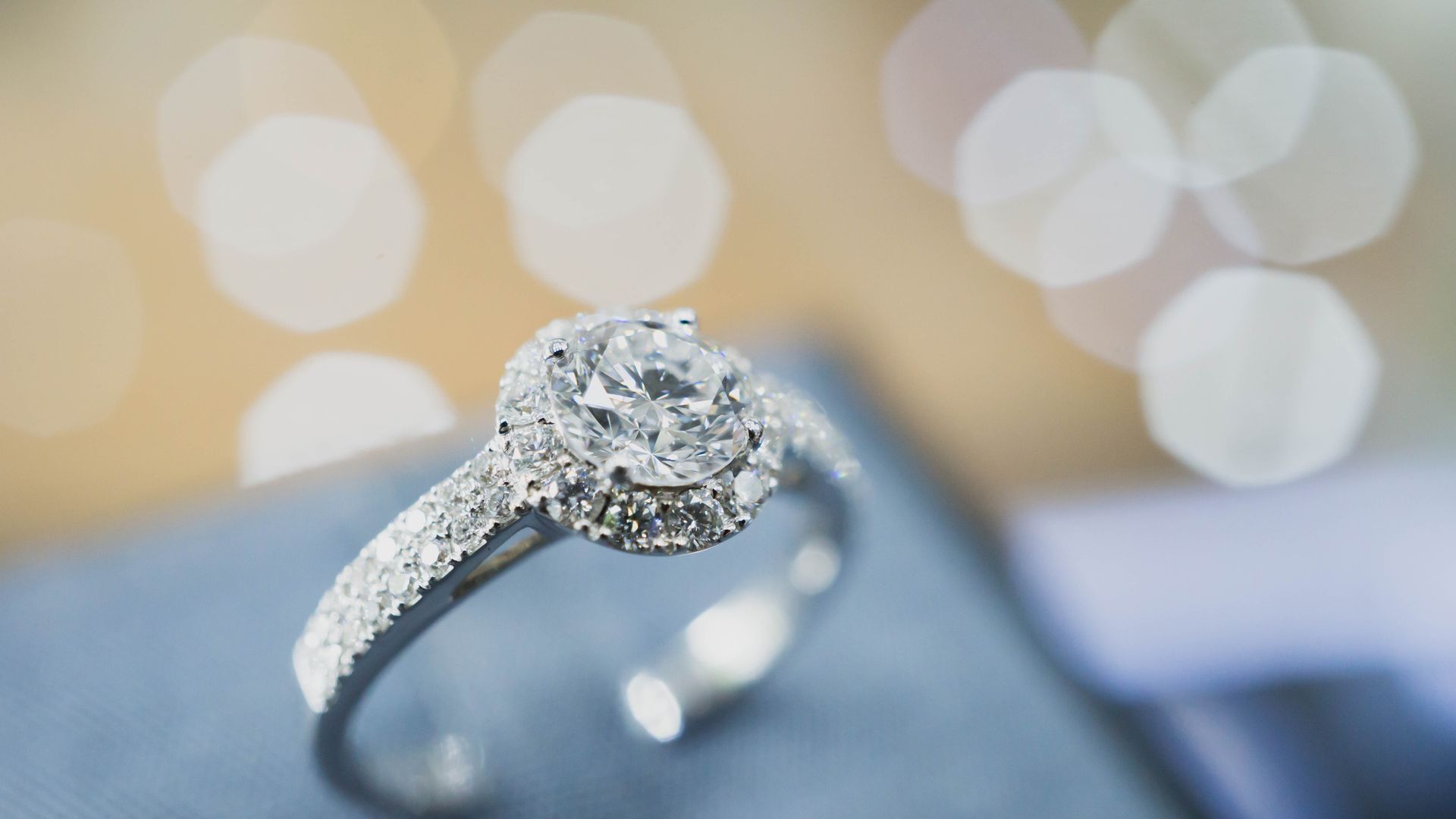
The materials you select influence your jewelry's appearance, durability, and price. Gold offers several color options, while platinum is valued for its durability and distinctive appearance. Gold purity also affects its color, cost, and physical properties. When selecting gemstones or diamonds, consider color, clarity, cut, size, and how each stone complements the overall design. Ask your custom jewelry store questions about authenticity, grading documentation when applicable, and the characteristics that matter most for your intended use.
Balancing Beauty With Durability
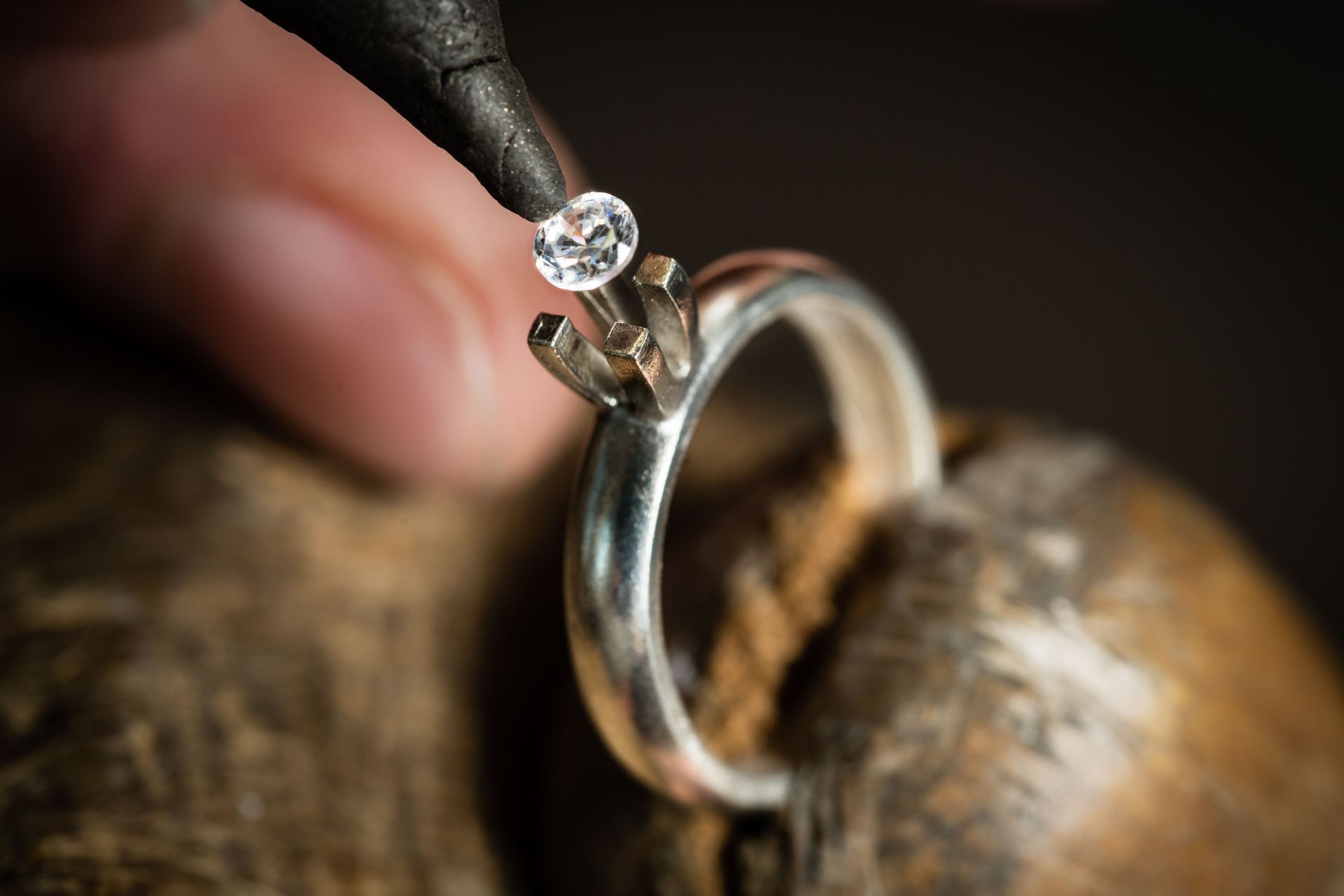
A beautiful design should also withstand the conditions in which it will be worn. Some gemstones are more vulnerable to scratches or impacts than others, making their suitability dependent on placement and use. Ring settings, prongs, clasps, and other structural details also affect security. Discuss these considerations with your jeweler, particularly if the piece will be worn frequently. Thoughtful material and setting choices can help preserve its appearance while reducing avoidable maintenance concerns.
Considering Comfort and Ethical Preferences
Comfort should be part of the design from the beginning. Ring sizing, pendant weight, chain length, and bracelet fit can all influence wearability. If you have sensitivities to particular metals, tell the jeweler before materials are selected. You may also wish to explore recycled precious metals or responsibly sourced gemstones. Discussing these preferences early allows the design to reflect your values without overlooking practical requirements.
Planning the Design and Customization Process
Collaborating on the Initial Concept
Once you have identified your priorities, share your ideas, reference images, preferred materials, and desired features with the designer. Explain what you like about each inspiration and which details are essential. An experienced jeweler can help translate these preferences into a cohesive design while identifying opportunities to improve comfort, balance, and durability. Open communication at this stage creates a stronger foundation for the finished piece.
Reviewing Designs and Approving Changes
Depending on the project, the design process may involve sketches, digital renderings, or three-dimensional models. These previews help you evaluate proportions, settings, and decorative details before production begins. Review each element carefully and ask questions about anything that differs from your expectations. Before approving the final concept, confirm the materials, dimensions, stone placement, and other important specifications. Also, clarify whether later revisions will affect the cost or completion date.
Confirming the Final Design
Final approval establishes the agreed direction for production. Make sure the design reflects your preferences and that you understand any limitations involving materials or construction. A custom jewelry store should explain what happens after approval, including the anticipated production stages and opportunities for updates. Establishing these details helps reduce confusion and gives you a clear understanding of what to expect as your jewelry takes shape.
Commissioning custom fine jewelry is an opportunity to combine personal expression with skilled craftsmanship. By defining your style, researching jewelers, setting a realistic budget, selecting suitable materials, and understanding the design process, you can make informed decisions at every stage. Clear expectations about timing, payment, and aftercare further contribute to a positive experience. For guidance on creating a meaningful piece tailored to your preferences, contact Fine Jewelry by Stacey to discuss your ideas and explore the possibilities of custom fine jewelry.