November 18, 2026
Many people keep broken chains, outdated rings, or inherited estate pieces tucked away in jewelry boxes without realizing their true financial potential. Liquidating these unused items can provide instant cash flow, clear space, or help fund exciting new purchases. Learning how the evaluation process works before you say "I'll sell my gold" ensures that you maximize your payout and protect your interests during every stage of the transaction.
Understanding Karat Markings and Purity
Before you make any plans to sell, it helps to understand how jewelers measure the purity of your precious metal. Pure gold is naturally soft and pliable, which means craftsmen must alloy it with durable base metals like copper, zinc, or silver for daily wear. The karat stamp stamped onto a clasp or the inner band of a ring reveals the exact ratio of pure precious metal to alloy. For instance, twenty-four-karat gold represents pure gold, eighteen-karat consists of seventy-five percent pure gold, and fourteen-karat contains fifty-eight point three percent pure gold. Knowing these markings gives you a clear baseline before you visit a buyer, ensuring you understand the raw content within your collection.
Tracking Market Values and Industry Demand
Precious metal rates fluctuate daily based on global commodity markets, currency movements, and consumer demand. Keeping an eye on current prices helps you choose the right moment to liquidate your unwanted items for top value. Consumer appetite for fine metal continues to dominate personal adornment across the globe. According to Polaris Market Research, gold held a 60.40% revenue share of the global jewelry market in 2025. When market demand remains strong, certified buyers actively purchase scrap pieces, antique settings, and damaged items to refine and repurpose. Staying informed on market trends ensures that you receive a competitive payout reflective of active commodity prices.
Evaluating Weight Versus Craftsmanship
When you begin thinking about how to sell my gold, you must first distinguish between scrap metal value and the artistic value of finished jewelry. Scrap buyers calculate offers strictly by weighing the piece, determining its karat purity, and multiplying that against the current market rate for raw metal. However, certain designer pieces, luxury watches, and historic heirlooms carry intrinsic craftsmanship value that far exceeds their weight in melted metal. If your jewelry features intricate hand engraving, signed brand hallmarks, or rare gemstones, melting it down could mean leaving significant money on the table. Taking time to separate scrap items from exceptional artistic pieces ensures that you capture every dollar your jewelry is worth.
Separating Gemstones and Diamond Accents
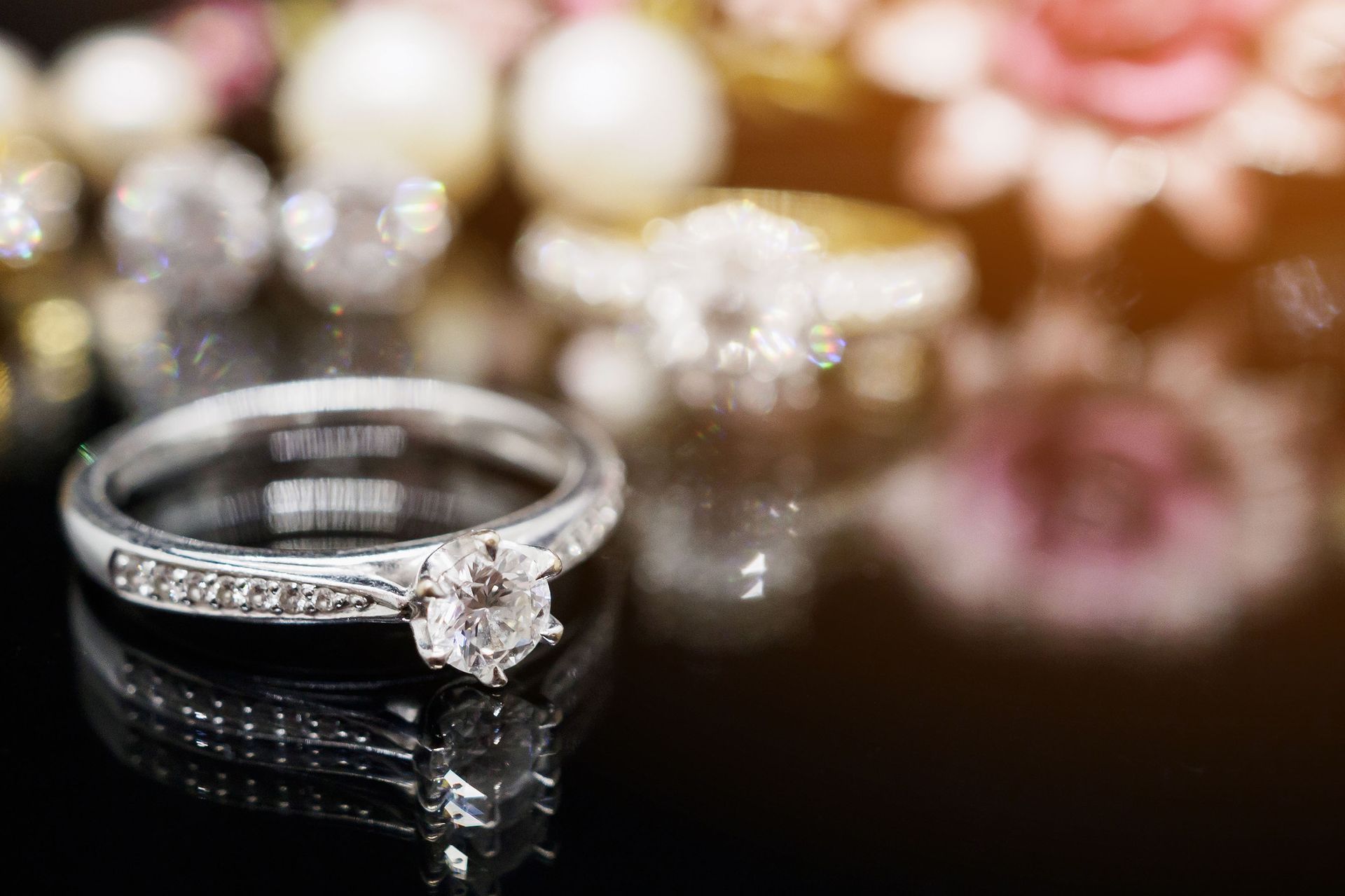
Many gold rings, pendants, and bracelets arrive at buying counters with accent diamonds or vibrant colored gemstones firmly set in place. Basic scrap operations frequently weigh entire items together and make minor deductions for stone weight, or they ignore the stones entirely. A knowledgeable buyer will inspect the gemstones individually to assess their cut, clarity, color, and carat weight. If the stones hold significant value, you can request that the jeweler factor them into the final purchase offer. Alternatively, you can have a jeweler remove the stones safely so you can retain them for future custom projects while liquidating only the metal mountings.
Preparing Items and Identifying Counterfeits
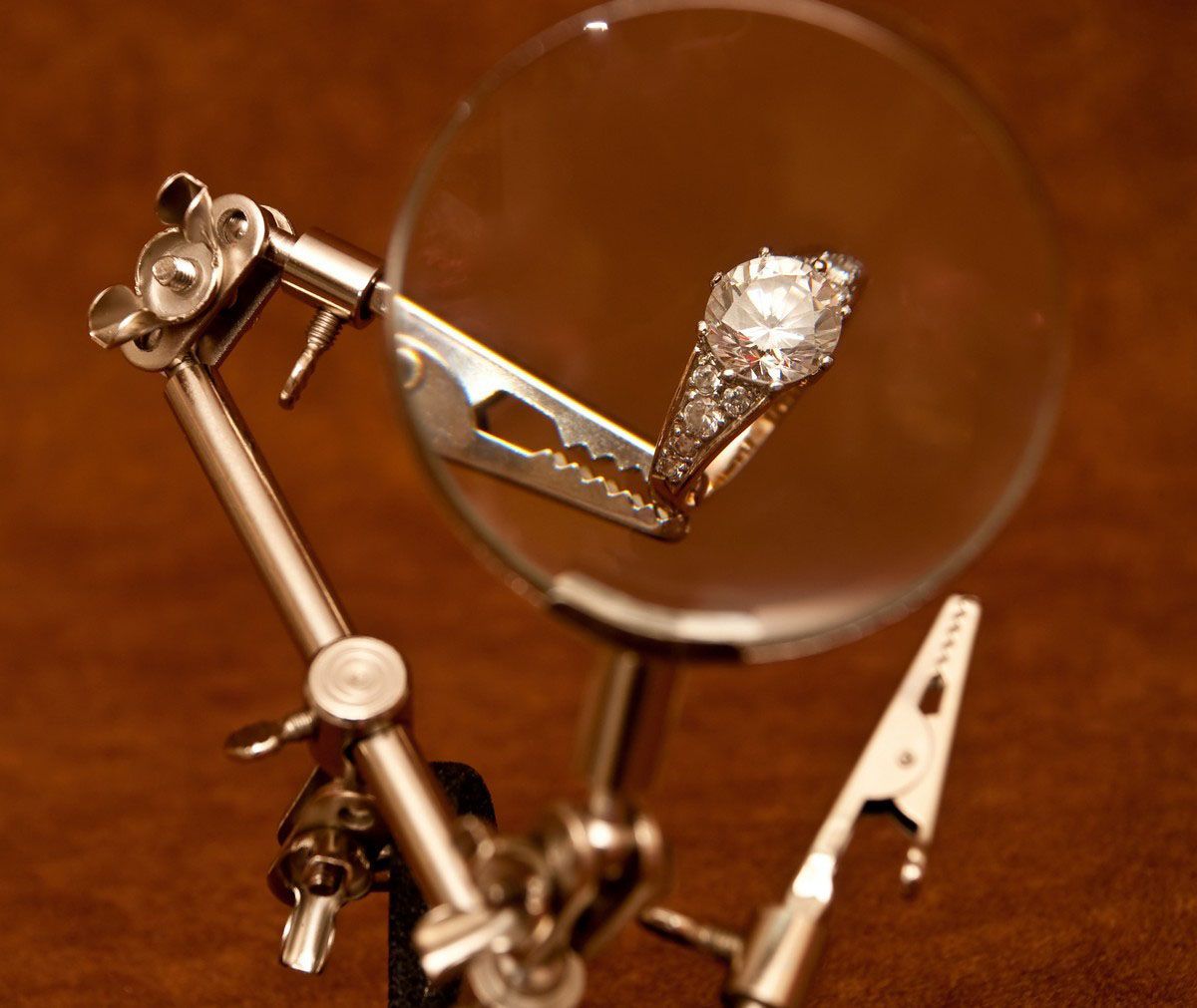
If you are thinking "I'm going to sell my gold," you do not need to polish or scrub your old jewelry before bringing it to an evaluation counter. In fact, aggressive scrubbing with harsh household chemicals or abrasive cloths can inadvertently damage soft gold surfaces or harm delicate vintage finishes. Instead, carefully gather your items and use a magnifying glass to check for stamps such as ten-karat, fourteen-karat, or eighteen-karat purity marks. Be on the lookout for markings like gold-plated, gold-filled, or electroplated, which signify only a microscopically thin coating of precious metal over base metals. Doing this initial review at home saves you time and sets realistic expectations for your visit.
Choosing Between Cash and Custom Redesign
Liquidating unused pieces does not always mean walking away with cash in hand. If you have sentimental jewelry that feels dated or does not match your personal aesthetic, you can trade that metal value toward a completely new bespoke design. Skilled artisans can harvest your existing diamonds, melt down the precious metal, or apply the cash credit toward modern rings, custom pendants, or wedding bands. This creative approach allows you to honor the memory behind family heirlooms while creating a gorgeous, wearable accessory tailored to your current lifestyle. Deciding whether you prefer immediate payment or a custom upgrade helps guide your consultation with your jeweler.
Getting an Accurate Professional Appraisal
If you own high-end pieces, vintage collections, or items featuring substantial diamonds, securing a formal appraisal is an indispensable preliminary step. A certified appraisal establishes an official, documented evaluation of the metal purity, total gram weight, and gemstone characteristics. This documentation proves especially beneficial when navigating estate distributions, insurance schedules, or equitable division of family assets. Reputable jewelry stores employ certified appraisers who examine each piece using calibrated electronic scales and specialized gemological instruments. Having an objective appraisal gives you complete confidence that your collection is valued accurately and transparently.
Selecting a Trusted Local Jeweler
The buying counter you choose plays a vital role in determining both your overall payout and your peace of mind. While transient traveling buyers, mail-in scrap services, and impersonal pawn shops offer convenience, they often pay only a fraction of true value. Established neighborhood jewelry stores rely on lasting community relationships, clear communication, and ethical business standards to maintain their standing. When you tell a reputable local specialist, "I want to sell my gold," they test and weigh your pieces directly in front of you on certified scales. An open, transparent evaluation guarantees an honest transaction with no high-pressure sales tactics.
Testing Purity with Non-Destructive Methods
Professional jewelers use multiple precise testing methods to determine the exact karat content of your jewelry without causing damage. The most common traditional method involves a touchstone and mild testing acid, which reveals how the metal reacts at various karat concentrations. Advanced shops frequently utilize electronic precious metal testers or x-ray fluorescence analyzers to read the exact elemental composition of the alloy instantly. These advanced diagnostic tools eliminate guesswork, particularly on unmarked vintage jewelry or custom-made pieces lacking clear manufacturer stamps. Watching the jeweler perform these tests right before your eyes provides absolute clarity regarding what your items contain.
Navigating the In-Person Selling Process
When you arrive at the store to finalize a sale, the process should be straightforward, respectful, and fully transparent. State regulations typically require buyers to record valid government-issued identification to prevent the circulation of stolen goods and protect consumers. The buyer should sort your collection by karat purity, weigh each group on a state-certified scale, and explain the current precious metal price supporting their calculation. You should never feel pressured to accept an offer on the spot; a trustworthy store always welcomes you to think it over. Once you agree on the figure to sell my gold, the transaction concludes smoothly with immediate payment.
Making an Informed Decision Today
Parting with precious jewelry can feel like a major decision, but working with an established professional ensures you receive fair, transparent value for every gram. Whether you hold broken chains, vintage heirlooms, or out-of-style rings, proper testing and honest market pricing provide total peace of mind. When you are ready to sell my gold, explore custom jewelry options, or schedule professional jewelry repair, visit Fine Jewelry by Stacey for dedicated guidance and exceptional care.